Coupled Flowers Border: A Designer's Real-World Review
As a designer who has spent years curating embroidery files for both personal craft projects and commercial product lines, I approach every new pattern with a critical eye. The market is flooded with generic floral motifs, so finding a design that balances artistic flair with technical reliability is rare. Today, I am evaluating the Coupled Flowers Border. Based on its description as a pattern consisting of flowers in abstract shapes, it promises a fresh and classical accent. But does it translate from a digital preview to a tangible, high-quality finished product? Let's dive into how this machine embroidery design performs when you actually put thread to fabric.
First Impressions: Abstract Shapes Meets Classical Elegance
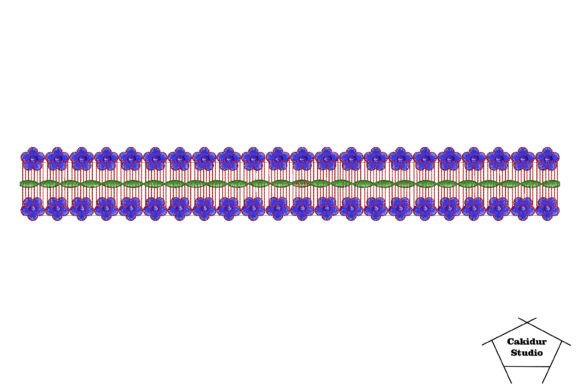
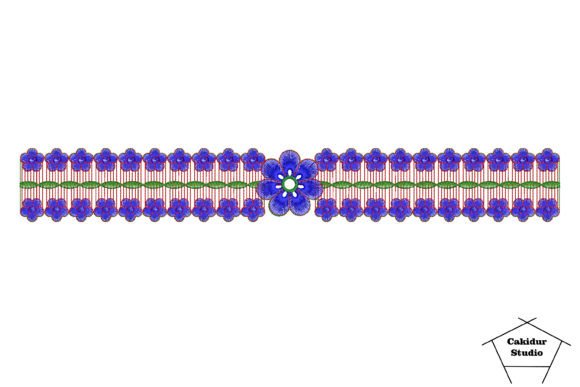
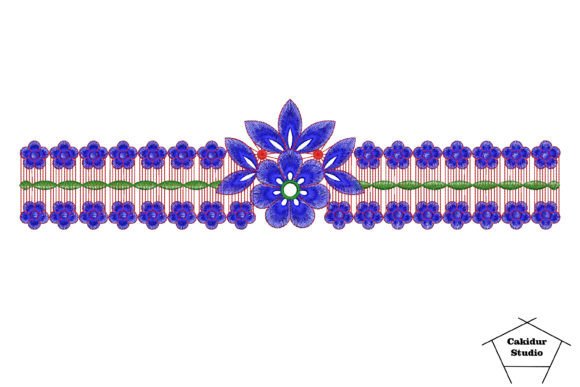
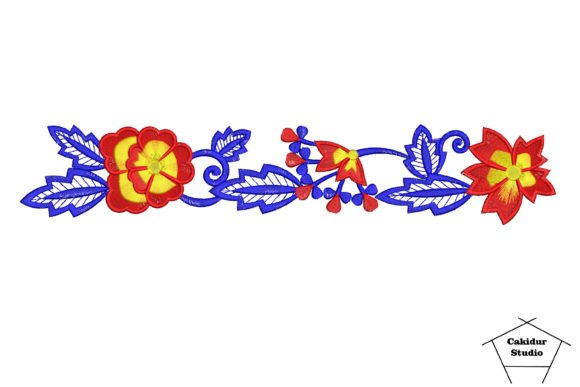
When I first opened the digital preview of the Coupled Flowers Border, the mood was immediately distinct. It avoids the cliché of hyper-realistic petals in favor of abstract shapes that suggest flora rather than replicating it perfectly. This abstraction is a strategic choice for modern branding and contemporary home decor. The layout suggests a rhythm that flows naturally along an edge, making it an ideal candidate for borders that need to frame a garment or textile without overwhelming the main focal point.
The visual personality here is sophisticated yet accessible. For an Etsy seller or a boutique owner looking to elevate their brand consistency, this design offers a "fresh and classical accent" that feels curated rather than mass-produced. The interplay of the abstract forms creates a sense of movement, which is crucial for keeping the eye engaged across a long horizontal span. However, the true test of any embroidery project lies not in the screen but in the hoop.
Real-World Application: From Tote Bags to Boutique Apparel
To truly understand the utility of the Coupled Flowers Border, I visualized a specific scenario: creating a line of premium canvas tote bags for a local artisan fair. In this context, the border would run along the top hem of the bag. Because the design features abstract shapes, it handles the slight tension of stitching near a folded edge better than intricate, tiny details might. The fill stitch areas appear substantial enough to provide coverage on medium-weight canvas, while the satin stitch elements would likely add a necessary pop of texture and shine.
I also considered using this machine embroidery design for custom apparel, specifically sweatshirt embroidery. Placing the border along the bottom hem of a crewneck sweatshirt is a trendy technique right now. The abstract nature of the flowers means the design can tolerate the slight stretch and give of knit fabrics better than rigid, geometric patterns. If you are a small business owner producing personalized gifts like aprons or pillow covers, this pattern serves as a versatile asset. It adds a professional finish that signals quality craftsmanship, increasing the perceived value of your handmade product.
For those selling digital embroidery files, this design fits well within a collection of design assets aimed at hobbyists and makers. Its versatility allows it to be used for holiday embroidery, nursery decor, or even as part of a larger composition for an embroidered patch. The key is that the abstract style remains timeless; it won't look dated next season, which is a significant factor for commercial embroidery where inventory longevity matters.
Navigating Technical Challenges and Fabric Choices
While the aesthetic appeal is strong, practical application requires careful consideration of your materials. Since the description notes this is a border pattern, the length-to-height ratio is critical. You must confirm the actual hoop size required before purchasing. If the design is very long, you may need to split it into multiple segments or use a walking foot attachment if your machine supports it, though most borders are stitched in one continuous run within a large hoop.
Fabric texture plays a massive role in how the Coupled Flowers Border renders. On smooth cottons or linens, the abstract shapes will stand out crisply. However, on textured fabrics like heavy denim or boucle, the stitch density might struggle to define the finer edges of the abstract forms. I strongly advise testing the design on scrap fabric first. If you plan to use this on dark fabric, ensure the thread colors have sufficient contrast. Light pastels might get lost against charcoal or navy backgrounds unless you utilize a dense underlay or a white backing layer.
Be cautious with thin or stretchy fabrics. Without the proper stabilizer, the pull of the needle can distort the abstract shapes, causing them to pucker or lose their intended geometry. For items like baby clothes or delicate tea towels, a tear-away stabilizer might suffice, but for durable goods like tote bags or jackets, a cut-away stabilizer is non-negotiable to maintain the structural integrity of the finished product after repeated washing.
Strategic Notes for Designers and Makers
If you are planning to integrate the Coupled Flowers Border into your workflow, keep these practical notes in mind:
- Test Stitch Density: Run a sample to see if the fill stitches are too tight, which can cause fabric puckering, or too loose, which reveals the background material.
- Color Contrast Matters: Before committing to a production run, create a printable mockup in black and white to assess the silhouette. Then, compare light and dark fabric backgrounds to ensure visibility.
- Licensing Check: As a small shop product creator, always verify the license terms. Does the file allow for unlimited sales of physical goods, or is it restricted to personal use? Never sell a custom apparel item based on a design you haven't cleared for commercial use.
- Placement Strategy: Consider how the border interacts with other elements. Does it work alongside text? If you are adding names or dates, ensure the running stitch or outline details of the flowers don't compete visually with the lettering.
This design is not just a decorative element; it is a tool for brand elevation. When executed correctly, the Coupled Flowers Border transforms a simple piece of cloth into a statement piece. It speaks to customers who appreciate detail and artistry. Whether you are crafting a single personalized gift for a friend or scaling up a line of holiday embroidery products for your online store, this pattern offers the flexibility needed for diverse applications.
Final Verdict: A Versatile Asset for the Modern Maker
In conclusion, the Coupled Flowers Border lives up to its promise of providing a fresh and classical accent. Its abstract floral shapes offer a modern twist that appeals to today's design sensibilities while retaining enough structure to remain functional on various textiles. It is particularly well-suited for tote bag designs, home linens, and the hems of casual wear.
However, success depends on your preparation. Do not skip the test stitch. Respect the limitations of your fabric and machine. When you take the time to pair this embroidery file with the right stabilizer and thread choices, the result is a professional-grade finish that builds customer trust and enhances your reputation as a skilled maker. For designers seeking a reliable, stylish border to round out their portfolio of digital product offerings or physical merchandise, this is a worthy addition to your toolkit.