Cute Baby Boy: A Designer's Review for Small Business Merch
As an experienced embroidery designer who has spent years curating digital assets for boutique shops, apparel decorators, and Etsy sellers, I approach every new machine embroidery design with a critical eye. The question is never just "Is it cute?" but rather "Does this work as a commercial asset?" When reviewing the Cute Baby Boy design, my goal is to determine if it can elevate your brand identity or simply serve as a decorative afterthought. For small business owners looking to expand their product lines with custom apparel, branded patches, or unique merchandise, the choice of design dictates the perceived value of the finished product.
First Impressions: Playful Professionalism for Branding
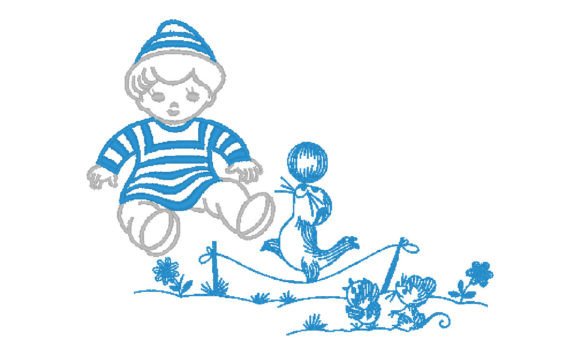
The initial look at the Cute Baby Boy design suggests a friendly, approachable aesthetic that fits perfectly within the Boys category of children's wear and family-oriented gifts. However, from a branding perspective, its true potential lies in its versatility. The description notes that this pretty baby boy gives a nice look to fabrics, which implies a clean line work and balanced composition. In the world of commercial embroidery, balance is everything. A design that feels too cluttered loses impact on a cap front, while one that is too sparse may disappear on a textured tote bag.
This specific design strikes a chord of playful elegance. It does not scream "cheap decoration"; instead, it offers a soft, handmade presentation that appeals to parents and gift buyers alike. For a local bakery, a florist, or a creative studio offering baby-themed workshops, this image can act as a charming focal point. It signals warmth and care, two essential traits for building customer trust. When you are creating small business merch, you want your customers to feel a connection before they even touch the item. This design achieves that through its gentle visual personality.
Real-World Applications: From Patches to Uniforms
How does Cute Baby Boy perform when moved from the screen to the production floor? Let us evaluate its utility across various mediums used by apparel decorators and merch creators.
- Embroidered Patches: This is perhaps the strongest use case. The design's likely clear outlines make it ideal for creating high-quality embroidered patches. These can be sewn onto denim jackets, backpacks, or canvas tote bags. A patch allows for easy removal or repositioning, making it perfect for seasonal collections where you might rotate designs without ruining the garment.
- Apron Embroidery: For a boutique café or a craft shop specializing in baby products, placing this design on the chest or pocket of staff aprons adds a layer of thematic consistency. It transforms a standard uniform into a piece of branded storytelling.
- Cap Embroidery: While caps require careful consideration of stitch density, the central focus of the Cute Baby Boy design makes it suitable for the front panel of a baseball cap. It serves as a memorable logo accent for event merch or promotional giveaways.
- Tote Bag Design: Canvas totes are a staple for handmade brands. Embroidering this motif on a natural cotton tote elevates the item from a simple grocery bag to a premium accessory. The texture of the fabric complements the raised look of the thread, enhancing the tactile experience of the product.
- Product Labels and Accents: Smaller versions of the design can be used as woven-style accents on clothing tags or as a subtle detail on the cuff of a shirt. This adds a touch of luxury to mass-produced items, distinguishing your brand from competitors.
Navigating Challenges: Where Caution Is Required
Even the most promising digital embroidery file requires careful handling to ensure professional results. As a designer, I must advise caution when applying Cute Baby Boy to certain scenarios. The description mentions sewing this unique embroidery onto any material, but in practice, "any material" often leads to registration issues if the wrong stabilizer is used.
Be wary of using this design on highly textured fabrics like heavy corduroy or thick fleece without extensive testing. The needle may struggle to penetrate evenly, leading to skipped stitches or distorted shapes. Furthermore, if you intend to use this for tiny lettering alongside the image, ensure the font size remains legible. Small details can get lost in the weave of dark uniforms or stretchy knits. Always check the stitch density; if the design is too dense for a small area, it can cause puckering, which ruins the drape of the fabric and lowers the perceived quality of your custom apparel.
Another critical factor is the hoop size. Before committing to a full run of merchandise, confirm that the design fits comfortably within your machine's hoop without excessive tension. If the design pushes the limits of the hoop, the registration will suffer, and the finished product will look amateurish. Always test on a scrap piece of the actual fabric you plan to use, using the same stabilizer intended for production.
Strategic Value for Your Brand Identity
Incorporating the Cute Baby Boy design into your product lineup is more than just adding a graphic; it is a strategic move for your brand identity. Consistency is key for recognition. If you are a handmade brand focusing on children's goods, having a recurring motif like this across your tote bags, patches, and packaging creates a cohesive visual language. Customers begin to associate that specific imagery with your quality and style.
This design enhances buyer engagement by offering a sense of exclusivity. Unlike printed graphics that can peel or fade, high-quality embroidery implies durability and longevity. It suggests that your business values craftsmanship. When a customer sees a well-executed embroidered patch on a tote bag, they perceive higher product value. This perception allows you to command better pricing for your small business merch and builds long-term loyalty.
Practical Designer Notes for Production Success
To ensure the Cute Baby Boy design delivers the best results for your commercial embroidery projects, follow these practical steps:
- Test in Black and White: Before selecting vibrant thread colors, run a test stitch in a single color. This reveals any gaps in the design or areas where the background fabric shows through unexpectedly.
- Verify File Formats: The product description states the machine embroidery design comes with multiple embroidery file formats. Ensure your digitizing software or embroidery machine supports these specific formats to avoid conversion errors.
- Check Thread Color Contrast: Select thread colors that stand out against your chosen fabric. High contrast ensures the design pops and maintains visibility even from a distance.
- Create a Printable Mockup: Before sending the job to the machine, generate a printable mockup for client approval. This saves time and materials if the client requests changes to placement or sizing.
- Confirm Commercial Licensing: This is non-negotiable for business owners. Verify that your purchase of this digital embroidery file includes a commercial license. Using a design for branded merchandise without proper rights can lead to legal issues and damage your reputation.
- Inspect Spacing and Density: If combining this image with text, ensure there is adequate spacing. Overcrowding elements can lead to stitching errors and a messy finish.
The Cute Baby Boy design offers a delightful opportunity for small business owners to inject personality into their merchandise. By treating it as a serious design asset rather than just a cute picture, you can create high-value products that resonate with your audience. Whether you are producing embroidered patches for a local event or custom apparel for your online store, attention to detail in the application process will define the success of your project. With the right preparation and execution, this design can become a signature element of your brand's visual identity.