Groovy Spooky Vibes: A Designer's Review
As someone who has spent years navigating the intersection of digital design and physical stitching, I approach every new machine embroidery design with a critical eye. It is not enough for a file to look good on a screen; it must translate seamlessly into thread on fabric. Today, I am putting Groovy Spooky Vibes through that exact lens. This vintage hippie-themed piece promises to bring a retro flair to the spooky season, but does it hold up under the scrutiny of a professional workflow? Let’s dive into how this design performs in real-world scenarios.
The First Impression: Mood and Visual Personality
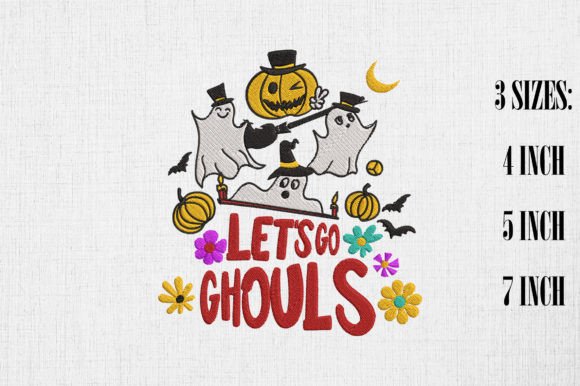
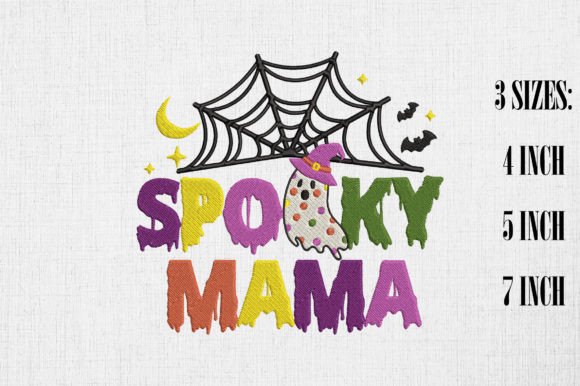
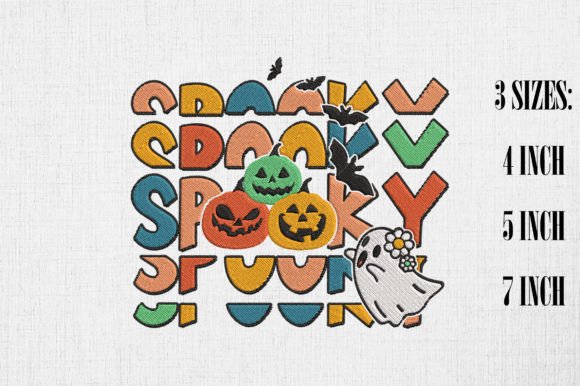
When I first opened the preview for Groovy Spooky Vibes, the aesthetic immediately stood out. It captures that specific late-60s, early-70s vibe—think tie-dye swirls, psychedelic fonts, and playful ghosts—that feels surprisingly fresh when applied to modern Halloween decor. The layout is balanced, avoiding the cluttered look that plagues many themed designs. There is a distinct personality here that suggests movement and fun rather than fear.
For a designer, the visual hierarchy is crucial. In this case, the central motif draws the eye without overwhelming the surrounding negative space. The curves are smooth, which is a good indicator that the digitization likely handles direction changes well. However, before committing to a project, I always scrutinize the line weight. If the lines are too thin, they might get lost in the texture of a heavy cotton or disappear on a dark background. The initial view suggests a robust outline, which is promising for visibility on various fabrics.
Testing the Waters: A Real-World Tote Bag Scenario
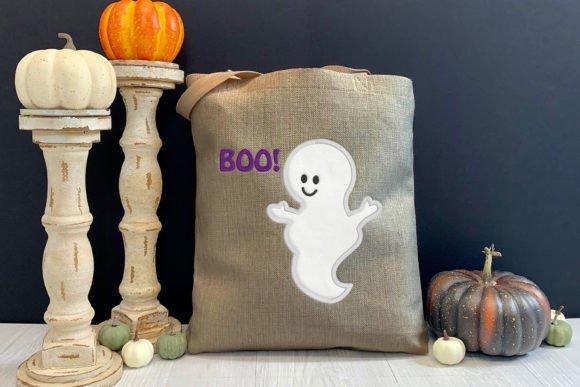
To truly evaluate Groovy Spooky Vibes, I imagined using it for a small batch of custom tote bags for an upcoming craft fair. These bags would be made from natural canvas, a textured fabric that can sometimes eat up fine details. My goal was to create a statement piece that customers could carry as a conversation starter during the autumn months.
In this scenario, the design’s vintage aesthetic pairs perfectly with the rustic feel of canvas. I envision placing the design centrally on the bag, perhaps slightly off-center for a more casual, artistic look. The key here is the stitch density. If the fill areas are too dense, the canvas will pucker, ruining the drape of the bag. Conversely, if the density is too low, the threads might show through to the other side, looking unprofessional. Based on the visual complexity, I would anticipate needing a mid-weight tear-away stabilizer to support the stitches without adding bulk.
I also considered the color palette. A vintage hippie theme begs for earth tones mixed with neon accents—mustard yellows, burnt oranges, and deep purples. When selecting thread colors, contrast is king. On a cream-colored tote, a black outline with colorful fills would pop beautifully. However, if I were producing these on a black canvas, I would need to test a white underlay stitch to ensure the colors remain vibrant and do not get swallowed by the dark fabric.
Navigating Fabric Challenges and Placement
While Groovy Spooky Vibes looks fantastic on stable fabrics like canvas or denim, there are situations where caution is required. As an experienced decorator, I know that stretchy fabrics like jersey knits used for t-shirts or sweatshirts present unique challenges. The tension of the machine combined with the elasticity of the fabric can distort the design if not properly stabilized.
If you plan to use this embroidery file for a sweatshirt embroidery project, I strongly recommend using a cut-away stabilizer rather than a tear-away one. This provides long-term support, ensuring the design doesn’t crack or warp after multiple washes. Similarly, for baby embroidery items like onesies or bibs, softness is paramount. You might need to reduce the fill stitch count or use a water-soluble topping to keep the surface smooth against delicate skin.
Another area of concern is curved surfaces, such as caps or hats. While the organic shapes of the hippie theme might seem forgiving, tight corners in the lettering or ghost outlines could pull or bunch up on a structured cap brim. Always check the hoop size compatibility. If the design requires a 5x7 hoop but your cap only fits a smaller frame, you risk distorting the image. Before running the final product, always run a test on scrap fabric that mimics the texture and thickness of your final material.
Commercial Viability for Small Business Owners
For the Etsy seller or small shop owner, the value of a design lies in its versatility and market appeal. Groovy Spooky Vibes offers a niche that is currently trending: retro nostalgia meets holiday spirit. This combination has high potential for holiday gifts, personalized apparel, and boutique merchandise. Customers are increasingly looking for unique, handmade items that tell a story, and this design fits that narrative perfectly.
However, commercial success depends on execution. A poorly stitched design can damage your brand reputation. If you are selling finished products, consistency is non-negotiable. Every item leaving your shop should have crisp edges and even tension. This means taking the time to adjust your machine settings for each fabric type. Do not assume the default settings will work for everything.
Furthermore, consider the licensing. As a creative entrepreneur, you must confirm whether the digital embroidery file allows for commercial use. Some licenses permit you to sell finished goods but prohibit reselling the digital file itself. Ensure you have the right permissions before listing items on your platform. Using a high-quality design legally protects your business and builds trust with your customers.
Practical Designer Notes for Success
To get the most out of Groovy Spooky Vibes, follow these practical steps:
- Test on Scrap Fabric: Never skip the test run. Stitch the design on a piece of the actual fabric you intend to use. Check for puckering, thread breaks, or registration issues.
- Review Thread Colors: Create a printable mockup in both light and dark backgrounds to visualize how the colors interact. Sometimes a color that looks great digitally clashes when stitched.
- Inspect Small Details: Zoom in on the design to check for tiny letters or intricate corners. These areas often require manual adjustment in your software to prevent thread jams.
- Use Proper Stabilizer: Match the stabilizer to the fabric weight. Heavy fabrics need heavy backing; delicate fabrics need lightweight or water-soluble options.
- Check Hoop Size: Verify that the design fits comfortably within your hoop without stretching the edges, which can cause distortion.
Final Thoughts on Design Assets
In conclusion, Groovy Spooky Vibes is a strong contender for anyone looking to add a touch of retro charm to their embroidery project. Its visual appeal is undeniable, and with the right preparation, it can elevate custom apparel, home decor, and gift items significantly. Whether you are making a single personalized gift for a friend or launching a line of commercial embroidery products, the key lies in attention to detail.
Remember, the best design assets are those that empower you to create consistently beautiful results. By understanding the limitations of your materials and the capabilities of your machine, you can turn a simple embroidery file into a standout piece. So, grab your hoop, load your threads, and let’s see what magic we can stitch with this groovy design.