What Happens in the Kitchen: A Designer Review
As a professional embroidery designer who has spent years refining stitch files for boutique brands, I approach every new machine embroidery design with a critical eye. When I first opened the file for What Happens in the Kitchen, I was immediately drawn to its potential for our upcoming seasonal sweatshirt collection. This isn't just another generic pattern; it carries a specific mood that resonates deeply with the current market trend of cozy, relatable humor. For small clothing brands and Etsy sellers looking to elevate their product line, understanding how a design translates from a digital file to a tangible garment is crucial.
First Impressions: Mood and Stitching Personality
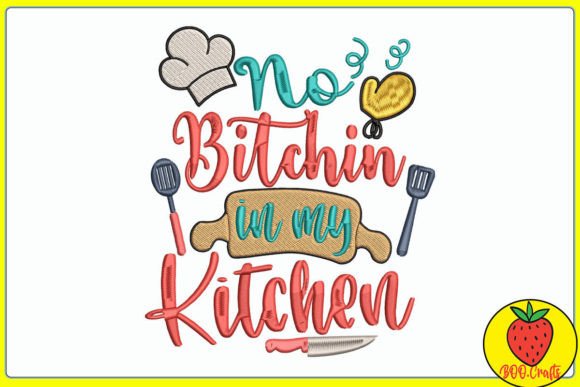
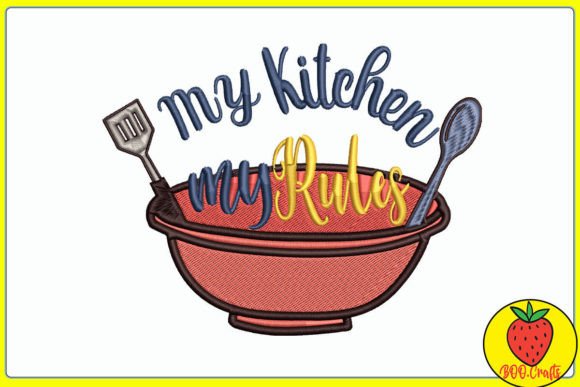
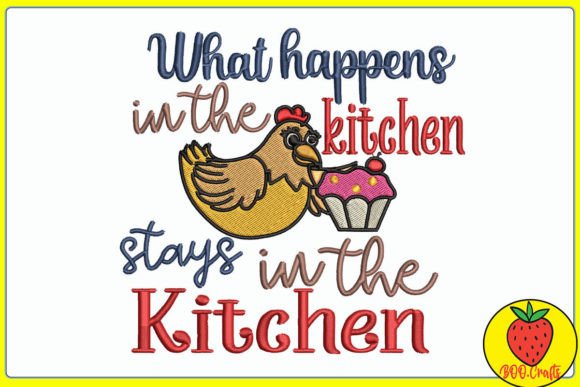
The initial view of What Happens in the Kitchen suggests a playful yet sophisticated aesthetic. The layout appears balanced, avoiding the cluttered look that often plagues humorous designs. Instead, it feels curated. The stitching personality leans towards a blend of bold outlines and delicate fill work, which is essential for maintaining readability on textured fabrics like fleece or French terry. For a boutique brand aiming for a premium feel, this balance is non-negotiable. The design does not scream for attention in a chaotic way; rather, it whispers a joke that invites the wearer to smile.
When evaluating the detail level, one must consider how the threads will interact with light. The description promises a "funny and cute" vibe, and visually, the curves and lines support this. However, the true test lies in the execution. Does the embroidery file hold up when scaled down? In my experience, many funny designs lose their charm when shrunk to fit a sleeve. Here, the lettering and graphical elements seem robust enough to maintain integrity even at smaller sizes, provided the correct stitch density is maintained.
Visualizing the Finished Product on Premium Sweatshirts
Imagine a limited drop for a small online shop featuring neutral-toned sweatshirts. Placing What Happens in the Kitchen on a heather grey or oatmeal-colored hoodie creates an instant classic look. The contrast allows the thread colors to pop without overwhelming the fabric texture. This placement works exceptionally well as a chest logo, centered slightly off-center for a modern, streetwear-inspired aesthetic.
Conversely, applying this design to dark fabric requires careful consideration of thread colors. On a charcoal or navy sweatshirt, a white or cream outline would provide the necessary definition. The design's versatility extends to pastel colors as well. Imagine a soft lavender or sage green oversized hoodie; the embroidery would take on a softer, more feminine edge, perfect for a spring collection targeting lifestyle enthusiasts. The design feels equally at home on rustic, earthy tones, appealing to the handmade product demographic that values authenticity.
For those considering back designs or sleeve accents, What Happens in the Kitchen offers flexibility. As a large back print, it becomes a statement piece, ideal for custom apparel branding. As a small sleeve accent, it adds a subtle touch of personality that customers love to discover upon closer inspection. This adaptability makes it a valuable asset for any creative entrepreneur building a cohesive brand identity.
Technical Considerations for Commercial Embroidery
Before committing to production, there are practical concerns every embroidery shop owner must address. Fabric thickness plays a significant role in the final outcome. Sweatshirts have a distinct pile that can obscure fine details if the stabilizer choice is incorrect. I recommend using a cut-away stabilizer for heavy fleece to ensure the stitches do not sink into the fabric over time. This preserves the 3D effect and ensures washing durability.
Stitch density is another critical factor. If the density is too high, the fabric may pucker, ruining the premium feel of the garment. If it is too low, the backing might show through, diminishing the visual impact. While the specific stitch count is not listed in the product description, experienced decorators know to run a test hoop on the actual fabric before cutting patterns. This step is vital for ensuring the design feels strong enough for commercial use.
Furthermore, hoop size limitations must be respected. Large hoodies require precise placement to avoid distorting the design. Using a larger hoop or a floating technique with tape can help achieve a smooth finish. For Etsy sellers and digital sellers offering these designs, providing clear instructions on hoop placement and stabilizer recommendations adds immense value to the listing, fostering buyer trust.
Enhancing Brand Identity and Customer Engagement
In the crowded marketplace of handmade products, visual recognition is key. What Happens in the Kitchen serves as more than just decoration; it acts as a conversation starter. When a customer wears this design, they project a sense of humor and warmth, aligning perfectly with brands that prioritize community and connection. This emotional resonance can significantly boost customer engagement and repeat purchases.
For a small shop product, the perceived value often hinges on the quality of the finishing touches. High-quality embroidery signals care and craftsmanship. By choosing a design that balances fun with technical excellence, you elevate your brand from a casual seller to a serious boutique contender. The design assets included in such a package should also support marketing efforts. Printable mockups are invaluable for showcasing how the finished product looks in real-life scenarios, from coffee shops to cozy living rooms.
Final Thoughts for Apparel Decorators and Crafters
Ultimately, What Happens in the Kitchen represents a strong opportunity for small clothing brands and creative entrepreneurs. It bridges the gap between functional apparel and expressive art. Whether you are producing custom apparel for a local event or stocking inventory for your Etsy store, this design offers the versatility needed to appeal to a wide audience.
However, always remember to verify the specific file details before mass production. Check the recommended hoop size, ensure the digital embroidery file formats are compatible with your machines, and confirm the licensing terms for commercial embroidery. With proper preparation and attention to detail, this design can become a signature piece in your collection, proving that what happens in the kitchen can indeed translate beautifully to the world of fashion.