Pumpkin Season: A Designer's Real-World Review
As a designer who has spent years curating assets for my own craft business and advising fellow makers, I approach every new machine embroidery design with a critical eye. It is not enough for a file to look good on a screen; it must translate beautifully into thread on fabric. Today, I am putting Pumpkin Season through its paces to see if it holds up as a viable asset for your commercial or personal projects. With the Autumn rush approaching, finding a motif that balances whimsy with elegance is crucial for any Etsy seller or boutique owner looking to refresh their inventory.
First Impressions: Mood and Visual Personality
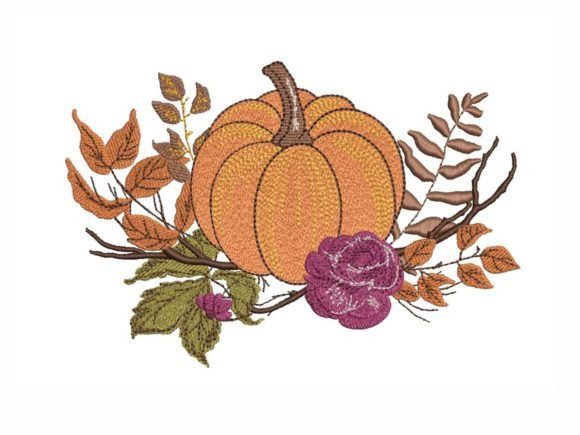
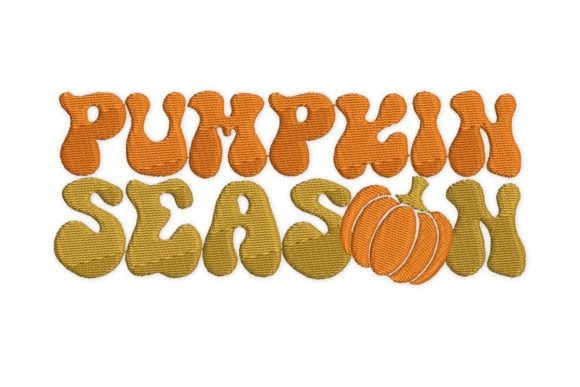
When I first loaded the digital embroidery file for Pumpkin Season, the immediate vibe was warm and inviting without being overly cluttered. The description promises a design that is "fun and easy to stitch," and visually, this rings true. The silhouette of the pumpkin is clean, avoiding the trap of microscopic details that often frustrate both the machine and the maker. There is a distinct elegance in the curve of the stem and the way the segments are defined, suggesting a sophisticated finish rather than a childish cartoon.
This visual personality makes it versatile. It feels like a design that could anchor a high-end personalized gift just as easily as it could serve as a charming accent on a casual tote bag design. The layout suggests a balanced distribution of fill stitch and satin stitch, which is essential for creating depth. In a crowded market of generic fall motifs, Pumpkin Season stands out by offering a polished look that elevates the perceived value of the finished product.
A Real-World Scenario: The Custom Sweatshirt Project
To truly test the utility of this embroidery project, let's imagine a specific scenario. You are preparing a limited run of custom hoodies for a local coffee shop's seasonal launch. The goal is to create a cozy, premium feel that customers will want to wear all season long. I visualize placing Pumpkin Season on the left chest area of a heather grey sweatshirt.
In this context, the design needs to pop against a mid-tone background while maintaining clarity. Because the design is described as "gorgeous when stitched onto any fabric," I anticipate it would handle the texture of a fleece blend well, provided the correct stabilizer is used. The clean lines would prevent the thread from sinking into the pile of the fabric, ensuring the logo remains crisp. If I were selling these as a small shop product, the professional appearance of the stitching would directly influence customer trust. A messy, tangled design would cheapen the brand, but a sharp, well-defined pumpkin adds a touch of artisanal quality that justifies a higher price point.
Expanding to Other Applications
Beyond apparel, the versatility of Pumpkin Season opens doors for various handmade products. Imagine this design as an embroidered patch sewn onto a denim jacket or a canvas backpack. The sturdy nature of the implied stitch work would hold up well to the rigors of daily wear. For home decor enthusiasts, this machine embroidery design could be the centerpiece of a linen pillow cover or a cotton kitchen towel. The "elegant" aspect mentioned in the description is key here; it allows the design to transition from a fun craft fair item to a tasteful piece of nursery decor or holiday table setting.
For those focusing on baby embroidery, the soft curves of the pumpkin make it a safe and adorable choice for onesies or burp cloths, assuming the thread colors are chosen carefully to avoid overwhelming a delicate garment. The ability to adapt to different scales is a major plus for creative entrepreneurs who need one asset to span multiple product lines.
Navigating Challenges: Where Caution is Needed
While Pumpkin Season appears robust, no design is universally perfect without proper preparation. As an experienced reviewer, I must highlight areas where caution is required to ensure the best results. First, consider the hoop size. While the design seems scalable, pushing it too small can cause issues with detail retention. Tiny lettering or intricate corners might blur if the scale is reduced beyond the manufacturer's recommendation. Always check the minimum dimensions before committing to a tiny cap or a small pocket application.
Fabric choice is another critical factor. On very thin or stretchy fabrics, such as jersey knit t-shirts, the density of the stitch density could cause puckering if the wrong stabilizer is selected. Similarly, dark fabrics require careful consideration of thread colors. A light orange pumpkin on black fabric needs a strong underlay to ensure visibility and prevent the dark background from showing through the stitches. Textured fabrics like heavy corduroy or bouclé can also challenge the precision of the running stitch outlines, potentially leading to skipped stitches if the needle tension isn't adjusted.
Furthermore, for items that undergo frequent washing, such as dish towels or baby clothes, the longevity of the design depends on the quality of the applique design elements (if included) and the tightness of the fill. Dense stitch areas can sometimes become stiff, affecting the drape of the fabric. It is wise to test wash a sample to ensure the threads do not fade or fray over time.
Practical Notes for Designers and Makers
If you are planning to use Pumpkin Season for your commercial embroidery or digital sales, there are several practical steps you should take before launching your product line:
- Test on Scrap Fabric: Never skip the test run. Stitch the design on a scrap piece of the actual fabric you intend to use. This helps you gauge how the fabric texture interacts with the thread.
- Review Thread Contrast: Experiment with different color combinations. A high-contrast palette often enhances the "elegant" look, while tonal schemes offer a more subtle, modern aesthetic.
- Check Stabilizer Needs: Determine whether a tear-away, cut-away, or water-soluble stabilizer works best for your specific fabric type to prevent distortion.
- Inspect Small Details: Zoom in on the preview to ensure that fine lines will not get lost during the stitching process, especially on curved surfaces like caps.
- Create Mockups: Use printable mockup tools to visualize the design on various products. Compare how it looks on light versus dark backgrounds to guide your marketing images.
- Verify Licensing: Before selling finished items or using the design in design assets for resale, confirm the licensing terms. Ensure you have the right to sell physical goods made with this embroidery file.
Final Verdict on Pumpkin Season
After evaluating Pumpkin Season through the lens of practical application, it emerges as a strong contender for your Autumn collection. Its balance of fun and elegance makes it a reliable choice for everything from custom apparel to home textiles. For the craft business owner, it offers the potential to create high-perceived-value items that resonate with customers seeking quality handmade goods.
The design's ability to maintain clarity across different applications speaks to its thoughtful construction. However, success ultimately lies in the execution. By respecting the limitations of your materials, choosing the right thread colors, and adhering to best practices in stabilization and testing, you can ensure that Pumpkin Season delivers the gorgeous results promised. Whether you are a hobbyist making gifts for family or a professional decorator fulfilling bulk orders, this design provides a solid foundation for a successful embroidery project.