Safari Monkey: A Craft Fair Design Review
As an experienced embroidery designer who has spent countless weekends setting up booths at local craft fairs and managing a digital shop for handmade goods, I know that not every design translates well from the screen to the sales table. When evaluating a new asset like Safari Monkey, my first instinct is to look beyond the preview image and ask: Will this sell? Does it have that "stop-and-stare" quality that draws a customer to your booth? This cute embroidery of a Monkey promises to add a friendly and playful accent to any fabric, but does it deliver on that promise in the real world?
First Impressions: The Vibe of Safari Monkey
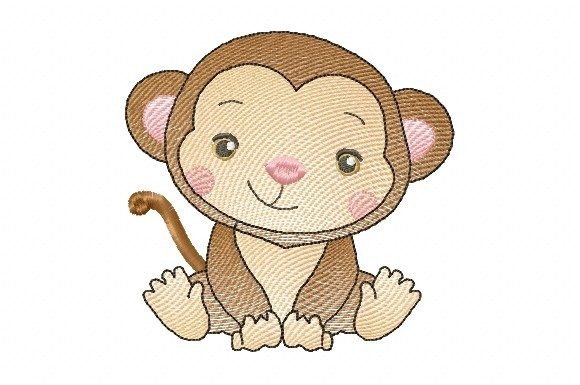
The moment I load the Safari Monkey machine embroidery design into my software, the mood is immediately clear. It leans heavily into the "cute" and "playful" aesthetic rather than rustic or farmhouse styles. In the category of Baby Animals, this design stands out as a modern, approachable character. It feels soft and inviting, perfect for the demographic that loves whimsical, child-friendly motifs. For a craft fair product, this is a strong starting point because it appeals to parents looking for unique gifts and young children who are drawn to bright, recognizable animal shapes.
However, the success of Safari Monkey depends entirely on execution. A design that looks great on a white background might struggle on a textured canvas or dark denim if the thread colors and stitch density aren't managed correctly. As I prepare my table display, I am considering how this specific monkey will interact with various fabrics and product types.
Product Placement: Where Safari Monkey Shines
When planning a booth layout, variety is key, but some designs simply perform better on certain items. Based on the description that suggests stitching this adorable embroidery on children's clothing, I see immediate potential for small shop products like onesies, bibs, and toddler t-shirts. The playful nature of the monkey fits perfectly with the energy of a nursery or playroom.
- Tote Bags: A tote bag design featuring Safari Monkey can be a hit, especially if placed on a natural cotton canvas. The contrast between the earthy bag and the colorful monkey creates a focal point that catches the eye from across the aisle.
- Apron Embroidery: While monkeys are often associated with kids, a smaller version of this design could work surprisingly well on a kitchen apron, adding a touch of humor to a functional item.
- Tea Towel Embroidery: Kitchen linens are always in demand. Placing the monkey near the hem of a tea towel offers a charming detail that customers love to photograph for social media.
- Embroidered Patch: Creating patches is a cost-effective way to offer multiple price points. An embroidered patch of Safari Monkey allows customers to apply the design to jackets, hats, or bags themselves, increasing the perceived value of the digital embroidery file.
- Caps and Pouches: Small accessories are impulse buys. If the design scales well, a cap or a small fabric pouch becomes an instant gift idea for birthdays or baby showers.
Production Realities: Stitch Density and Fabric Texture
Before committing to batch production, I must address the technical side of Safari Monkey. The description mentions it is a machine embroidery design, but it does not specify the stitch count or hoop size. This is a critical gap for any professional maker. High stitch density can lead to puckering, especially on lighter fabrics like those used for children's clothing or tea towels. If the design includes dense areas, I would need to test it on scrap fabric first to ensure the backing stabilizer is sufficient.
Fabric texture plays a massive role in how the finished product looks. On a smooth cotton blend, the details of the monkey will pop. However, on a thick, textured towel or a heavy twill cap, tiny details might get lost. If the Safari Monkey design features fine lines or small facial features, these could blur when stitched on a rough surface. As an Etsy seller, I know that photos don't always capture this loss of clarity, so inspecting the physical sample is non-negotiable.
Furthermore, consider the curve of a cap. Flat embroidery files do not always translate well to curved surfaces without distortion. If you plan to use this design on caps, ensure the digitization accounts for the curvature, or stick to flat applications like tote bags and pillow covers where the design remains true to form.
Visual Appeal and Customer Engagement
In a crowded market, visual appeal drives sales. Safari Monkey has the potential to be a high-engagement item because animals are universally loved. The "friendly and playful" aspect mentioned in the product description is its strongest selling point. Customers often gravitate toward designs that evoke emotion or nostalgia. A well-executed monkey design can make a simple tote bag feel like a premium, handmade product.
To maximize this appeal, the color palette is crucial. Using vibrant thread colors against neutral backgrounds will make the monkey stand out. Conversely, using monochromatic threads on a matching fabric might make the design too subtle for a quick glance at a busy fair. For online listings, creating a printable mockup that shows the design in context—perhaps on a child's backpack or a cozy pillow cover—can significantly boost conversion rates. Buyers need to visualize the finished product in their own lives.
Practical Designer Notes for Success
If you decide to incorporate Safari Monkey into your business, follow these practical steps to ensure quality and profitability:
- Test on Scrap Fabric: Never skip the test run. Check for thread breaks, puckering, and alignment issues before stitching your final inventory.
- Check Thread Contrast: Ensure the colors of the monkey stand out against your chosen fabric. Low contrast can make the design look muddy or unfinished.
- Review Spacing and Hoop Size: Confirm that the design fits within your available hoops and leaves enough margin for hooping without damaging the fabric.
- Inspect Stitch Density: If the design is too dense, consider reducing the number of fill stitches or using a different stabilizer to prevent stiffness.
- Create Real Mockups: Photograph actual stitched samples. Authentic photos build trust more effectively than digital renderings.
- Confirm Licensing: Always verify your commercial licensing rights. Just because you bought an embroidery file doesn't mean you can sell unlimited finished products. Check the terms of the design assets carefully.
- Compare Fabric Colors: Test the design on light, medium, and dark fabrics to see which combinations yield the best results for your brand.
Final Verdict for the Handmade Market
Safari Monkey is a versatile addition to any portfolio focused on Baby Animals and playful themes. Its ability to serve as both a large focal design on a tote bag and a small accent on a child's shirt makes it a valuable tool for diversifying your inventory. However, its success hinges on careful production management. By paying attention to stitch density, fabric choice, and presentation, you can turn this digital file into a standout craft fair product that resonates with buyers.
For boutique makers and creative entrepreneurs, the key is consistency. If Safari Monkey aligns with your brand's voice, it can become a signature item that customers return to buy again and again. Whether sold as a standalone piece or part of a larger collection, this design has the charm necessary to drive engagement and sales in both physical markets and online shops. Remember, the difference between a good design and a great product lies in the details of execution. Test thoroughly, present beautifully, and let the playful spirit of the monkey do the rest of the selling for you.