Safari Elephant: A Designer's Practical Review
As a designer who has spent years curating machine embroidery design libraries for both personal projects and client work, I approach every new file with a critical eye. The market is flooded with generic patterns, but finding a piece that balances charm with technical reliability is rare. Today, I am evaluating the Safari Elephant, a design categorized under Baby Animals. My goal is not just to describe it, but to determine if this specific embroidery file holds up under the scrutiny of real-world production, from Etsy listings to boutique apparel.
First Impressions: Mood and Visual Personality
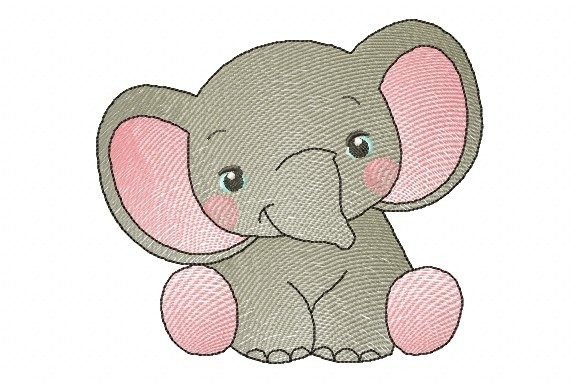
When I first loaded the Safari Elephant into my digitizing software, the immediate reaction was one of warmth. The silhouette is soft, avoiding sharp angles that can sometimes look aggressive in thread. It leans heavily into the "cute" aesthetic, which makes it an instant hit for nursery decor or children's wear. The layout feels balanced, suggesting that the stitch density is distributed evenly across the body and trunk. This is crucial because uneven density often leads to puckering on delicate fabrics.
The visual personality is playful yet refined. It does not look like a clip-art image hastily converted into stitches. Instead, it appears to utilize a mix of fill stitch for the main body and likely satin stitch for the outlines to create definition without overwhelming the fabric. For a handmade product line, this level of detail suggests professionalism. Customers buying a personalized item expect crisp lines and clear shapes, and this design seems poised to deliver exactly that.
Real-World Application: From Concept to Finished Product
To truly understand the value of the Safari Elephant, we must imagine it in action. Picture yourself preparing a custom embroidered tote bag for a local craft fair. You want something that stands out against canvas but doesn't dominate the entire surface. Placing this elephant near the bottom corner creates a whimsical accent that draws the eye immediately. The friendly nature of the design invites interaction; parents might point it out to their children, creating a moment of connection that enhances the perceived value of your small shop product.
I also see significant potential for custom apparel. Imagine a soft cotton sweatshirt for a toddler. The Safari Elephant would sit perfectly on the chest or back, adding a touch of adventure to everyday wear. Because the design is described as adorable and suitable for children’s clothing, it fits naturally into the baby embroidery niche. Whether you are making a onesie, a bib, or a pillow cover, the theme aligns seamlessly with the intended audience. For an Etsy seller, this versatility is a goldmine. You can pivot quickly between different product types—embroidered patch, tote bag design, or even a holiday gift—without needing to redesign anything.
In a commercial setting, consistency is key. If you are building a brand around animal-themed gifts, having a reliable asset like this ensures your design assets maintain a cohesive look. The Safari Elephant offers a recognizable motif that customers will associate with your brand quality. When used on high-quality materials with proper thread colors, the finished product exudes care and craftsmanship, directly impacting customer trust and repeat business.
Navigating Technical Challenges and Fabric Choices
While the design looks promising, any experienced embroiderer knows that execution depends heavily on the substrate. There are specific scenarios where the Safari Elephant requires careful handling. First, consider the hoop size. Although the description implies it is compact enough for various items, always verify the dimensions against your machine's capabilities. Attempting to force a design into a hoop that is too small can distort the shape, ruining the cute proportions that make this elephant so appealing.
Fabric texture is another critical factor. On smooth cotton or linen, the running stitch and fill areas should pop beautifully. However, on highly textured fabrics like heavy fleece or thick denim, the finer details of the ears or eyes might get lost. In such cases, you may need to adjust the stabilizer choice to ensure the needle penetrates cleanly without dragging the fabric. For stretchy materials, such as jersey knit used in t-shirts, a tear-away stabilizer might not be sufficient; a cut-away option would provide the necessary support to prevent the Safari Elephant from warping after washing.
Dark fabrics present their own set of challenges. If you plan to use this design on navy blue or black garments, the default thread colors might lack contrast. You may need to add a layer of underlay or switch to lighter, brighter threads to ensure the elephant remains visible and vibrant. Additionally, curved surfaces like caps require precise alignment. While the design is flexible, placing it on a cap panel demands that you test the curvature beforehand to avoid distortion at the edges.
Strategic Considerations for Designers and Makers
- Test on Scrap Fabric: Before committing to a client order or a batch of inventory, run a test stitch on a scrap piece of the actual fabric you intend to use. Check for puckering and thread breaks.
- Review Stitch Density: Inspect the file settings to ensure the stitch density isn't too high for lightweight fabrics, which could cause stiffness.
- Color Contrast: Compare light and dark fabric backgrounds using printable mockup tools to visualize how the design translates before stitching.
- Licensing Verification: Always confirm the licensing terms. Ensure you have the right to sell finished items or digital products containing the Safari Elephant design.
- Stabilizer Selection: Match the stabilizer type to the fabric weight. Heavyweight fabrics need heavier support to maintain the integrity of the Embroidery.
Final Verdict: Is It Worth Adding to Your Library?
The Safari Elephant is more than just a cute graphic; it is a functional tool for creators looking to elevate their offerings. Its adaptability across various mediums—from holiday embroidery gifts to everyday apparel decorators projects—makes it a valuable addition to any digital embroidery file collection. The design strikes a balance between simplicity and detail, ensuring it stitches cleanly while retaining its charm.
For the craft business owner, this design represents low risk and high reward. It appeals to a broad demographic, particularly parents and grandparents looking for unique personalized gift ideas. The potential for upselling is high when paired with complementary items like matching socks or blankets. However, success lies in the execution. By respecting the technical requirements of the embroidery project—choosing the right hoop, stabilizer, and thread—you can transform this digital file into a tangible product that delights customers.
In conclusion, if you are searching for a versatile, charming, and technically sound pattern to enhance your portfolio, the Safari Elephant deserves a spot in your library. Just remember to test thoroughly, respect the material limitations, and let the quality of your stitching do the talking. With the right approach, this little elephant will surely become a favorite in your finished product lineup.