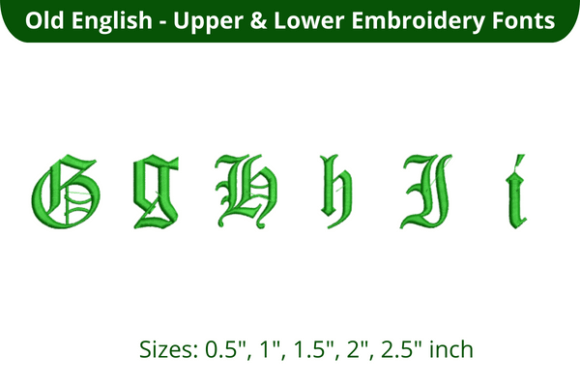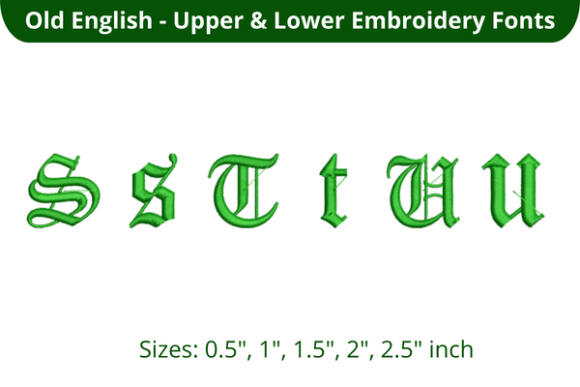
Old English Font DEF: A Designer's Review
As an embroidery designer who has spent years curating designs for a personalized gift shop, I approach every new machine embroidery design with a mix of excitement and caution. The difference between a generic item and a cherished keepsake often lies in the typography chosen. Recently, I had the opportunity to test Old English Font DEF, a digital file marketed as a high-quality option for personalizing names, dates, and quotes. My goal was to determine if this font could withstand the rigors of real-world production and truly elevate our product line before we commit it to customer orders.
First Impressions: Charm and Character
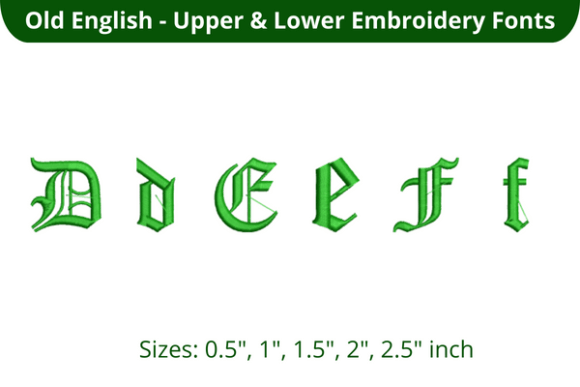
When I first loaded the embroidery file into my digitizing software, the mood of Old English Font DEF was immediately apparent. It carries a distinct sense of tradition and elegance that feels both timeless and deeply romantic. Unlike modern sans-serif fonts that can feel cold or purely functional, this design evokes a handmade, artisanal quality. The intricate details of the Old English style give the text a weighty presence, making it perfect for items where emotional connection is paramount. Whether you are a small shop owner looking to add a touch of class or an Etsy seller aiming for a vintage aesthetic, this font offers a sophisticated alternative to standard script styles.
The level of detail in Old English Font DEF is impressive, but it demands respect. It is not merely a font; it is a statement piece. When visualized on a mockup, the letters possess a gothic charm that suggests history and heritage. This makes it an excellent choice for wedding gifts, family heirlooms, and nursery decor where parents want something that feels special and enduring. The emotional appeal is strong, transforming a simple towel or blanket into a narrative object.
Real-World Applications for Personalized Gifts
In my testing phase, I imagined several scenarios where Old English Font DEF would shine as a finished product. One of the most compelling uses is for blanket embroidery. Imagine a baby quilt with the child's name stitched across the corner in this font. The contrast between the soft, plush fabric and the bold, structured lettering creates a beautiful balance. It signals to the buyer that this is a premium personalized gift, one that will be treasured for generations.
For kitchen linens, such as an embroidered towel or a custom apron, the font adds a touch of old-world hospitality. A guest towel featuring a family crest or a welcoming quote like "Welcome Home" in Old English Font DEF instantly elevates the perceived value of the item. Similarly, for wedding gift designers, this font is ideal for pillow covers or tote bags intended for the couple. The classic nature of the typeface fits seamlessly into rustic, vintage, or formal wedding themes, ensuring the gift feels cohesive with the event's decor.
I also considered its potential for Back To School products. While often associated with playful designs, there is a niche market for students who appreciate a more mature, collegiate look. A monogrammed backpack or a dorm room pillow cover using this font could appeal to older students or those attending prestigious institutions, offering a unique twist on traditional school gear.
Navigating Challenges: Where Caution is Key
While Old English Font DEF is beautiful, it is not without its challenges. As a professional, I must advise fellow crafters to use this design carefully. The intricate curves and tight spacing inherent to the Old English style mean that stitch density becomes critical. If the density is too high, the design may pucker delicate fabrics. Conversely, if it is too low, the details may get lost, especially on textured materials.
Small lettering is a significant concern. Attempting to stitch a long quote or a complex name in a very small size can result in thread breakage or muddy details. I strongly recommend avoiding this font for tiny applications, such as on the cuff of a shirt or a small patch. Additionally, when working with stretchy baby clothes or thick towels, the tension of the machine combined with the heavy stitch count can distort the fabric. Always consider the hoop size required to accommodate the design without stretching the material excessively.
Fabric texture also plays a vital role. On highly textured surfaces like terry cloth or nubby linen, the fine serifs of Old English Font DEF might not stand out clearly unless paired with the right thread colors. Dark fabrics require careful planning; while the font looks stunning on black velvet or navy cotton, it demands a high-contrast thread to ensure legibility. Frequent washing is another factor; the dense stitching holds up well, but on thin fabrics, the weight of the thread could cause wear over time.
Enhancing Giftability and Business Value
From a business perspective, incorporating Old English Font DEF into your catalog can significantly boost customer trust and engagement. In the world of handmade products, customers are looking for authenticity. This font delivers a sense of craftsmanship that mass-produced items lack. When a buyer sees a preview of their name in this elegant style, they perceive higher value, which justifies a premium price point for your custom embroidery services.
For the Etsy seller or digital product creator, the visual impact of this font cannot be overstated. High-quality photos of a finished product featuring Old English Font DEF stop the scroll. They evoke an emotional response, making the viewer imagine the item in their own home. This emotional connection is the key to converting browsers into buyers. Furthermore, offering this specific style sets your shop apart from competitors who rely solely on basic block or cursive scripts.
Practical Tips for Success
To ensure the best results with Old English Font DEF, I recommend a rigorous testing process before taking customer orders. Start by stitching the design on scrap fabric similar to your final product. Check the thread color contrast under different lighting conditions to ensure readability. Confirm that your hoop size is sufficient to hold the fabric taut without distorting the intricate details.
Always review the stitch density settings in your software. You may need to adjust the pull compensation to prevent puckering on thicker materials. Use a proper stabilizer; for heavy towels or blankets, a cut-away stabilizer is often necessary to support the weight of the stitches. Compare light and dark fabric mockups to visualize how the design translates across different mediums.
Finally, check the small details after stitching. Zoom in to ensure no threads have crossed unintentionally and that the serifs are crisp. Most importantly, confirm the commercial licensing terms before selling any finished products. While this is described as a high-quality design for personalization, always verify that you have the rights to sell items created with the digital embroidery file. By following these steps, you can confidently offer Old English Font DEF as a premium option in your collection, creating meaningful, high-quality gifts that customers will love.