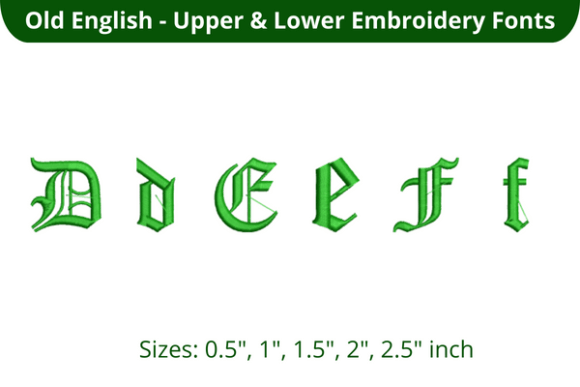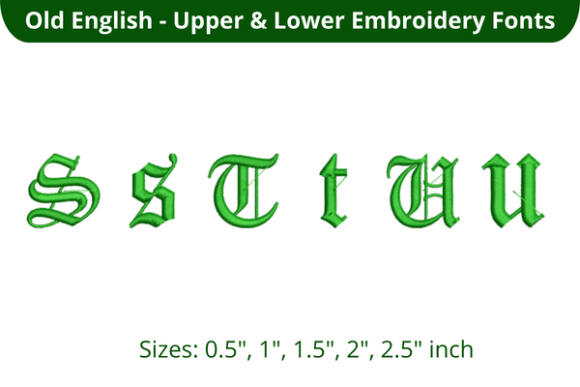
Old English Font GHI: A Designer's Business Review
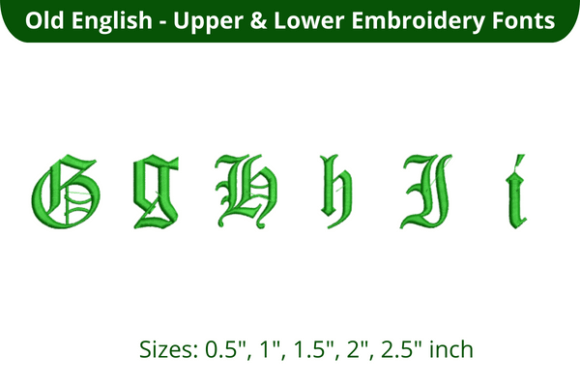
As an embroidery designer who has spent years curating assets for small business owners, I approach every new machine embroidery design with a critical eye. The market is flooded with decorative scripts that look beautiful in a digital preview but fail under the stress of commercial production. Today, I am reviewing Old English Font GHI, a design asset categorized under Back To School and Embroidery. While the category suggests a seasonal focus, the utility of this font extends far beyond student gear. My goal is to evaluate whether this digital embroidery file can withstand the rigors of branding for boutiques, cafés, and apparel decorators.
First Impressions: Professionalism Meets Heritage
When I first loaded Old English Font GHI into my digitizing software, the immediate impression was one of established authority. Old English styles carry a heavy historical weight; they evoke tradition, craftsmanship, and permanence. For a handmade brand or a local business trying to stand out against modern sans-serif trends, this font offers a distinct visual personality. It feels premium and slightly rustic, suggesting that the product behind it is built to last.
However, "high-quality" is a claim often made in product descriptions without substance. The description states this is a high-quality embroidery font intended to help you personalize designs with names, dates, or quotes. In practice, the value of Old English Font GHI lies in its ability to transform a generic garment into a branded statement. Whether applied to a staff uniform or a limited-edition tote bag, the intricate letterforms command attention. But does it hold up when stitched? That is where the real test begins for any serious decorator.
Real-World Applications for Small Business Merch
For small business owners looking to elevate their small business merch, Old English Font GHI offers versatile applications. I have seen this style work exceptionally well on embroidered patches designed for denim jackets or canvas backpacks. The bold strokes of the letters allow for a strong silhouette, which is crucial for recognition at a distance.
Consider a boutique bakery or a craft studio. Placing the shop name in Old English Font GHI on an apron embroidery design instantly communicates a sense of artisanal quality. It tells the customer that the baker or crafter respects tradition. Similarly, for cap embroidery, this font can serve as a striking chest logo accent or a sleeve detail. On a structured baseball cap, the verticality of the Old English characters balances well with the curved brim, provided the size is managed correctly.
I also envision this font being used for tote bag design projects. A simple cotton tote becomes a marketing tool when stamped with a quote or brand name in this distinctive typeface. It works particularly well for event merchandise, such as wedding favors or corporate retreat gifts, where a touch of elegance is required. Even for product packaging accents, such as fabric tags sewn onto clothing lines, Old English Font GHI adds a layer of sophistication that printed labels often lack.
Critical Design Considerations and Limitations
While the aesthetic appeal is high, using Old English Font GHI requires caution. As a professional designer, I must warn against using this font indiscriminately. The intricate details of Old English lettering are prone to issues if not handled correctly. First, consider the stitch density. These fonts often require tight stitching to maintain legibility. If the density is too high, the fabric may pucker, ruining the finish of your custom apparel.
Secondly, size matters immensely. This font should be avoided on tiny lettering applications. When scaled down for small patch sizes or detailed wristbands, the inner curves can fill in with thread, making the text unreadable. Always check the minimum recommended height before committing to a design. Additionally, be wary of using this font on highly textured fabrics like fleece or heavy corduroy. The texture can interfere with the fine lines of the machine embroidery design, leading to a messy appearance.
Color contrast is another vital factor. Because Old English fonts rely on thick and thin lines, using light thread colors on dark uniforms can result in poor visibility. Conversely, dark thread on light fabric might obscure the delicate serifs. Always review your thread colors against the specific fabric swatch before running a full production batch.
Impact on Brand Identity and Customer Trust
The choice of typography is a silent ambassador for your brand. Using Old English Font GHI signals to your customers that you value heritage and detail. For a handmade product line, this visual consistency builds trust. It suggests that the same care put into the font selection is applied to the product creation. This perception of professionalism can increase the perceived value of your goods, allowing you to command higher price points.
In the competitive world of Etsy sellers and online crafters, standing out is essential. A unique brand identity created through thoughtful use of design assets like this font can drive buyer engagement. Customers remember the look and feel of a brand. When they see a well-executed finished product with crisp, elegant lettering, they associate that quality with your entire business. However, if the execution is sloppy, the effect is reversed, damaging your reputation.
Practical Notes for Embroidery Professionals
Before integrating Old English Font GHI into your workflow, follow these practical steps to ensure success:
- Test in Black and White: Always run a test stitch in black thread on a neutral fabric first. This allows you to see the true structure of the letters without color distractions.
- Verify Hoop Size: Confirm the hoop size requirements. Large words in this font may exceed standard 4x4 hoops, requiring larger equipment or multi-hoop setups.
- Inspect Spacing: Old English letters can crowd each other. Adjust the kerning (spacing) manually to ensure the stitches do not merge.
- Use Proper Stabilizer: Due to the potential for high stitch counts, use a heavy-duty cutaway stabilizer to prevent fabric distortion.
- Create a Mockup: Generate a printable mockup for client approval before stitching. Show them how the font looks on the actual item, not just on a white background.
- Check Licensing: Ensure you have the right to use this commercial embroidery asset. Verify the license terms for business use, especially if creating items for resale.
Finally, compare Old English Font GHI beside your other existing design assets. Does it clash with your current logo? Or does it complement it? Consistency is key to a cohesive brand image.
Final Verdict
Old English Font GHI is a powerful tool for those seeking to add a touch of classic elegance to their handmade product offerings. It is not merely a decorative script; it is a branding instrument that, when used correctly, enhances the professional appearance of uniforms, patches, and promotional items. However, it demands respect for its technical limitations regarding size and fabric texture. By following best practices in testing and stabilization, small business owners and decorators can leverage this font to create memorable, high-value merchandise that stands the test of time.